Contents
We often find a space beautiful at first glance. Whether we truly live well in that space, however, becomes clear only over days, months, or even years. Dekor Cenneti’s approach is built upon this distinction: decoration is not merely an image that appeals to the eye; it is a space for personal expression that describes our lifestyle and adapts to our habits. This is why, when discussing artificial intelligence in architecture, the first question is how technology helps humans make better spatial decisions.
OpenAI’s GPT-6 Astra, announced in September 2026, has brought this question back to the agenda. The official presentation of the model highlights visual assessment, computer usage, multi-step tasks, and design outputs. An example is also shared where it creates a house model in Blender and converts it into a navigable scene in Unreal Engine. These are exciting signs for architecture. Nevertheless, one must not confuse a technology demo with a licensed and executable architectural project. When used correctly, Astra can be a powerful working tool that multiplies options and makes decisions visible.
Why is the release of Astra important for architects?
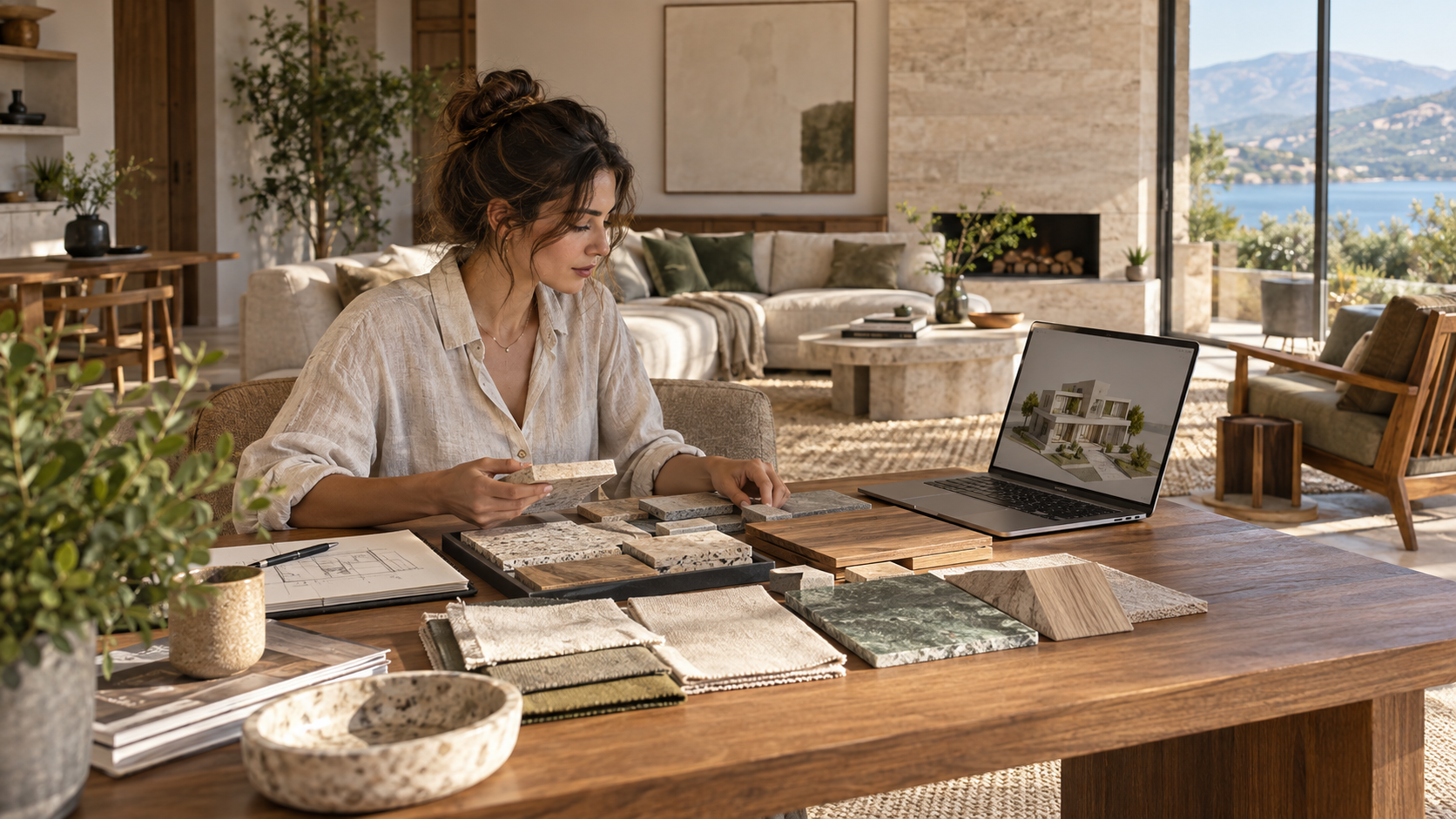
The architectural process is not just about a single drawing. It requires listening to needs, understanding dimensions, preparing alternative plans, selecting materials, evaluating light, checking compatibility with technical disciplines, and finally, creating a presentation the client can understand. In each of these steps, information exists in different forms: notes, plans, photographs, 3D models, product tables, and correspondence. Astra’s ability to interpret text and images, work with tools, and follow long workflows carries the potential to consider this scattered process as a whole.
One must be careful when using the word "integration" here. It would not be accurate to say that Astra connects to every architectural software as a ready-made, verified plugin. How it is used depends on the chosen tools and the workflow to be established. A realistic start involves summarizing the project brief, comparing visual references, generating alternative layout ideas, listing issues noticed on a model or render, and making the presentation language clear. Final drawings, engineering calculations, and regulatory compliance must still pass through the control of relevant experts.
Starting point: the person living in the home
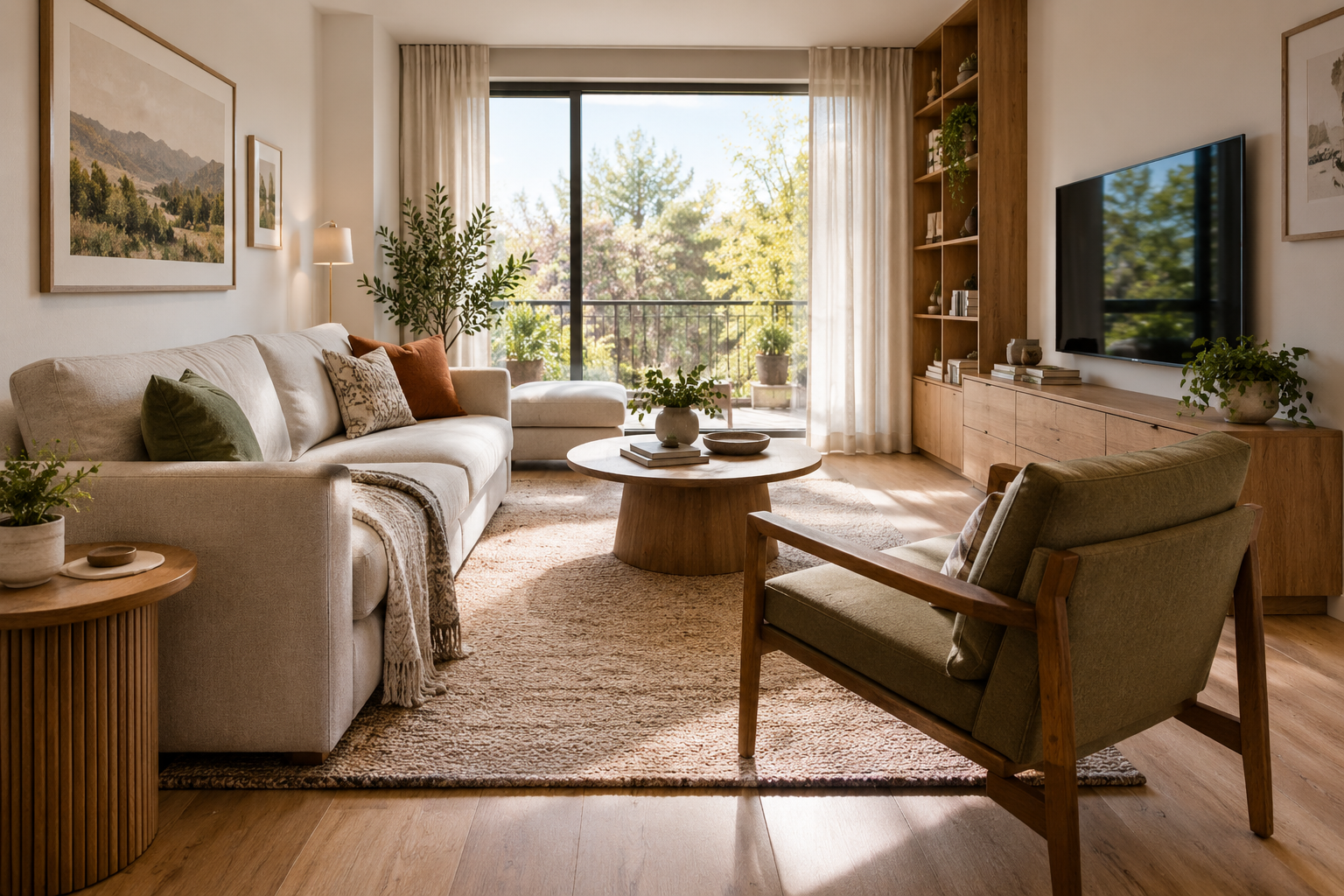
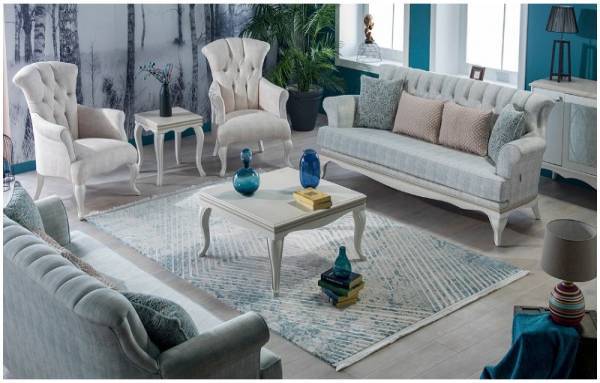
Let’s imagine we are designing a living room. The client says, "Let it be modern and spacious." This sentence alone is not enough. How many people live in the house? Are there children? Do they spend time together in the evenings? Is the television the center, or is a conversation and reading area the priority? At what hours does daylight enter? Which of the existing furniture will be kept? A good architect asks these questions; artificial intelligence can organize the answers and point out overlooked details.
In a scenario where we provide Astra with dimensions, photos, and a list of needs, we can ask it to compare the pros and cons of three different layout proposals. However, it is not enough for the proposal to look beautiful on the screen. Is the door swing comfortable? Is the circulation area narrowing? Is the seating distance realistic? Have the outlets and lighting been considered? The point is not for AI to eliminate these questions, but to bring them to the table earlier and more clearly.
Visualization is valuable when it facilitates decision-making
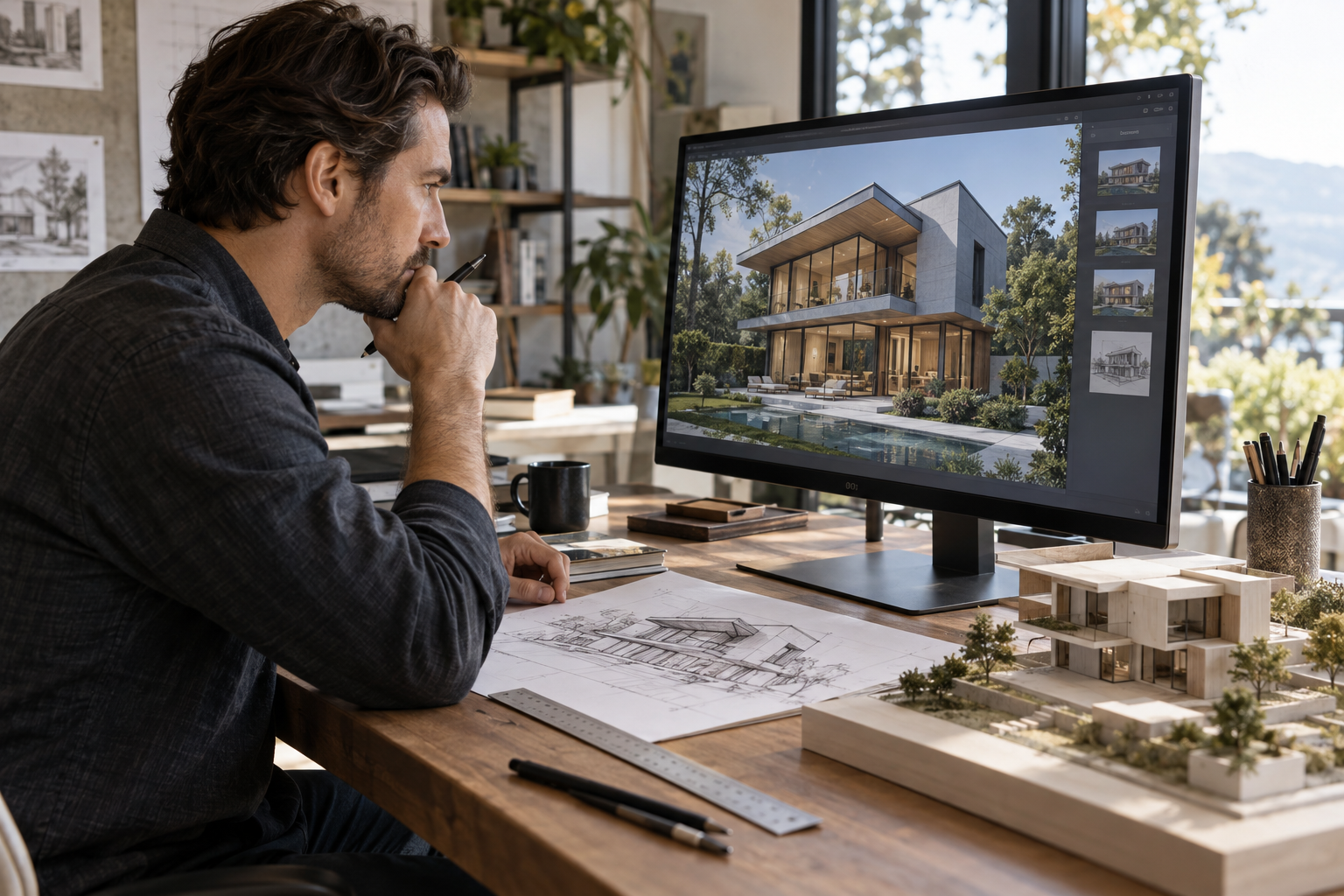
Clients often cannot grasp the feel of a space from a two-dimensional plan. This is why 3D visuals and navigable scenes are valuable. The official example of Astra creating a navigable digital environment from a house model points to a direction where design can be experienced rather than just viewed. Such an approach can be useful, especially when discussing living room circulation, kitchen workflow, or seating areas in front of windows.
However, let the persuasive power of the visual not mislead us. A render does not perfectly reflect the texture of real materials, the seasonal changes of daylight, construction tolerances, or the budget. An AI-generated scene only turns into sound decision support when scale and material information are verified. Therefore, instead of saying to the client, "Here is the final result of your home," it is a more honest approach to say, "This is a design draft that allows us to talk about this option."
Material selection requires context as much as speed
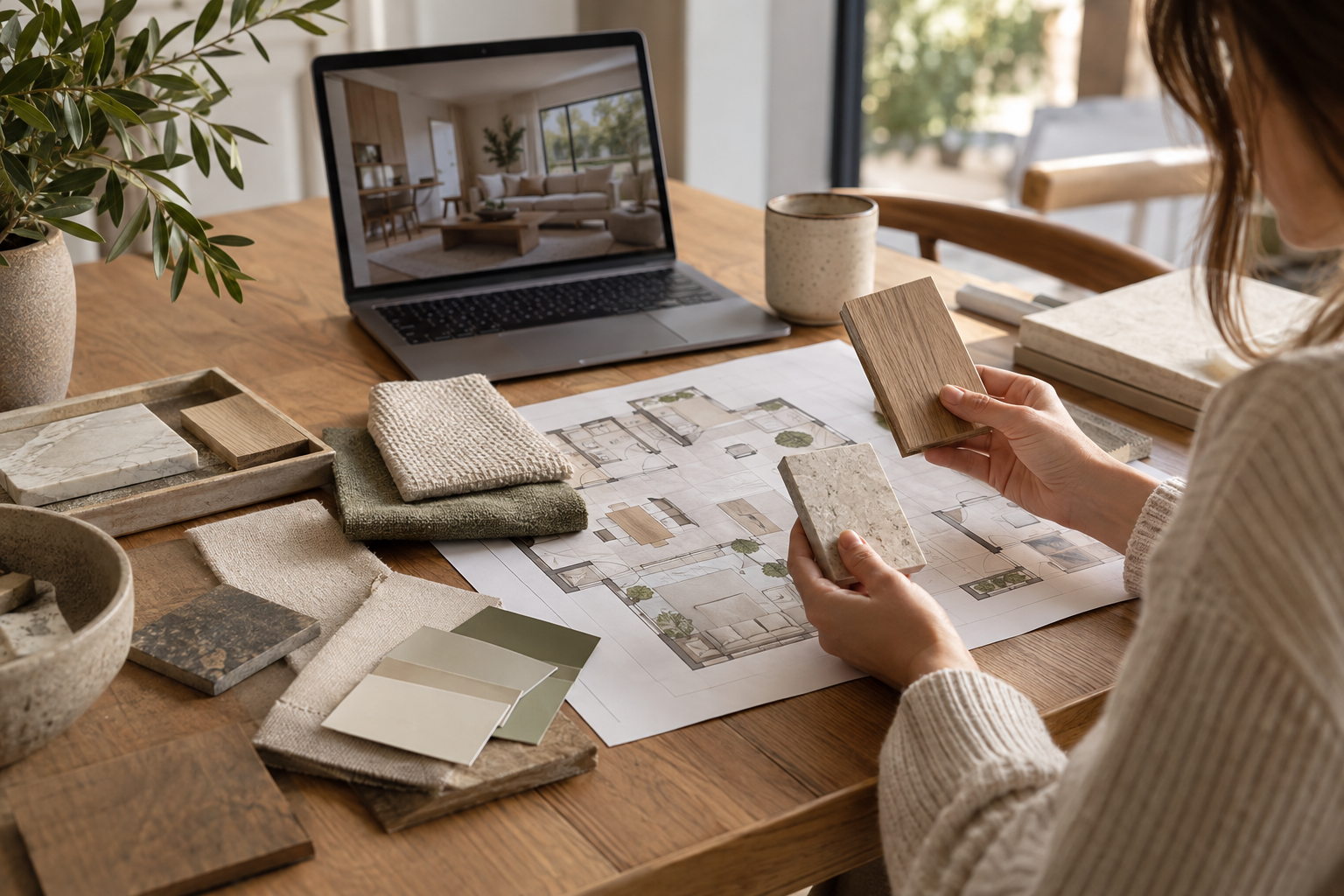
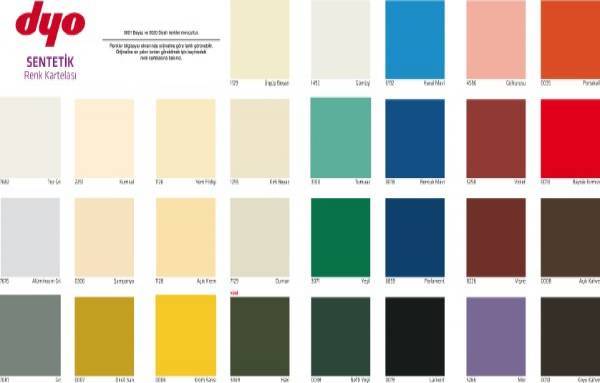
In decoration, wood, stone, fabric, and paint are not independent samples. The same oak surface can look warm or pale in different light; a light-colored floor may require different maintenance in a house with children. Artificial intelligence can provide ideas for color and texture matching, organize product options, and prepare clear tables comparing alternatives. This way, we can dedicate time in meetings not to flipping through catalogs, but to discussing the impact of choices on quality of life.
Still, one must see the material chosen on screen in person. Touching the actual sample, reading the maintenance instructions, and verifying durability and supply status are still part of the design. Good technology does not make these concrete steps unnecessary; it clarifies which sample we should examine and why.
In small homes, the real issue is not square footage, but usage
One of the areas where artificial intelligence can be most useful is in generating options for limited spaces. You may have a need for working, resting, and storage all in the same room. Asking a model like Astra for different layout scenarios, modular furniture ideas, and storage alternatives can enrich the initial design consultation. For example, while placing a desk near a window might seem good for natural light, it could potentially block a radiator or disrupt circulation. Seeing options side-by-side reveals these types of trade-offs.
Here, Dekor Cenneti’s approach to decoration remains unchanged: instead of filling every void with an object, allow the home to breathe. A good suggestion doesn't just provide more storage; it improves how the room is lived in. Artificial intelligence can offer options, but the person living in the home decides which trade-offs are acceptable.
Architectural responsibility must remain with humans
AI visuals may look flawless, but they can still contain incorrect measurements, impractical details, or solutions that do not fit local conditions. Verification by authorized experts is mandatory for matters such as structural systems, fire safety, accessibility, plumbing, energy performance, and local regulations. A drawing that a model finds "reasonable" does not mean it is safe or compliant with building codes.
Another issue is privacy. Floor plans and interior photos provide information about living habits. Before transferring this data to an AI tool, client consent, the service's data terms, and the amount of information strictly necessary should be considered. Sometimes, a plan with personal details removed is sufficient to solve a design question. Maintaining trust while using technology is part of good design.
Astra's place in the design process
In a healthy workflow, the designer first talks to the residents, measures the space, and records the needs. Then, Astra can help organize this information, identify missing questions, and make the rationale for different alternatives visible. Selected ideas are modeled with real dimensions and tested for light, circulation, materials, and budget. While digital visuals help the client visualize the space, implementation decisions are finalized through technical review and physical samples.
This is where Astra’s most meaningful encounter with architecture lies: not in generating images faster, but in creating space for us to make more informed choices. A home is not a visual completed by an algorithm. It is a living place where we accumulate memories and which transforms according to our changing needs. If artificial intelligence joins this process as an intelligent assistant, we can better hear the human at the center of the design. This is exactly what Dekor Cenneti aims for: bringing aesthetics, function, and personal stories together in the same space.